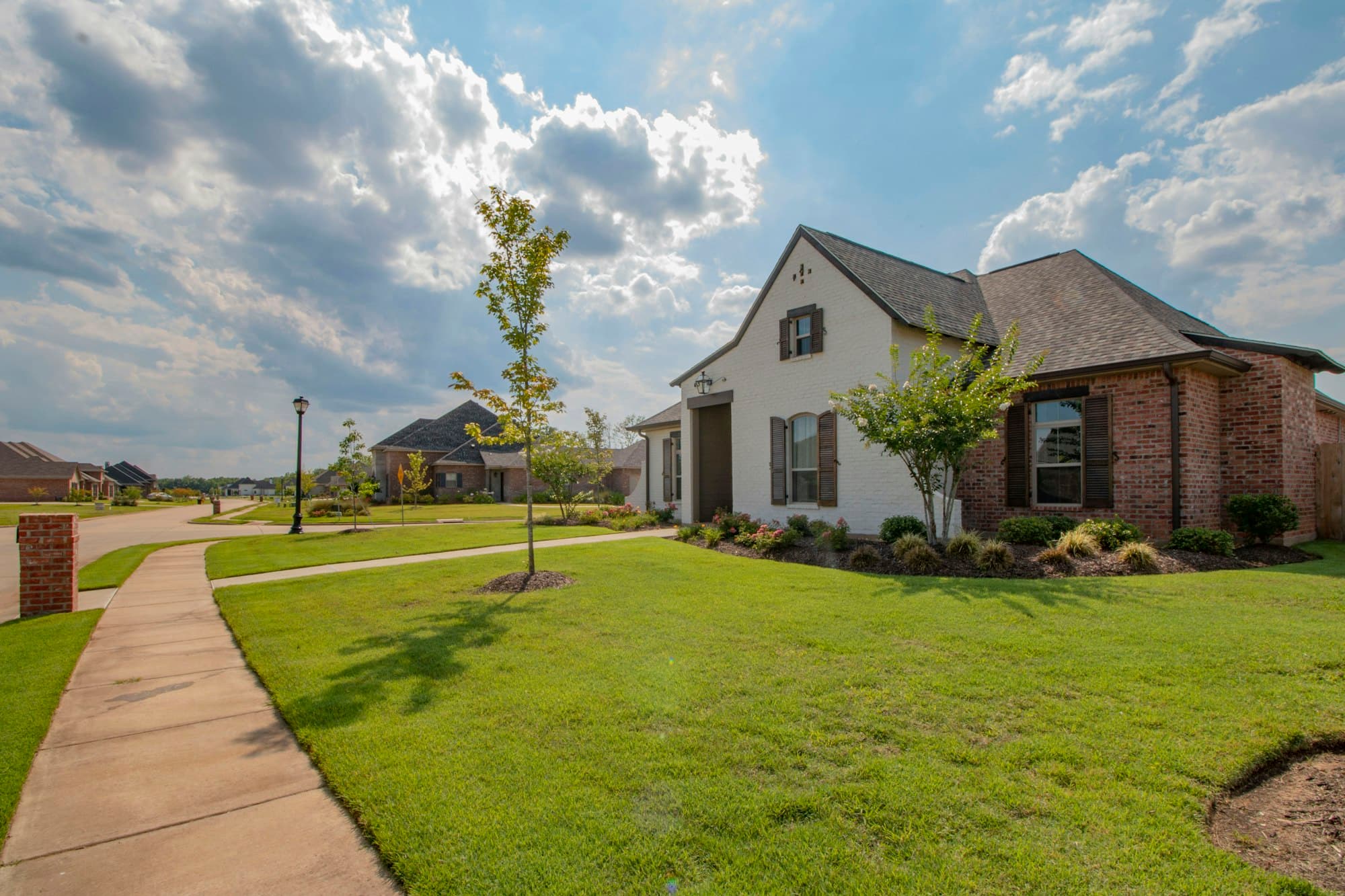
The complete VA loan guide
Every number that matters — the 2026 funding fee table, who's exempt, how entitlement really works, and the Texas benefits that stack on top. I'm Rami, a 100% disabled Air Force and Army veteran and San Antonio realtor. I've used this benefit myself. Here's the whole playbook.
100% service-disabled Air Force and Army veteran, Military Relocation Professional, Texas REALTOR, and TREC #724566.
How this guide is maintained: Rami combines active San Antonio client work, verified professional experience, and official sources where available. Market, lender, tax, school, and commute details should be confirmed before you rely on them for a live decision.
Do I qualify for a VA loan?
VA eligibility depends on service era, duty status, length and character of service, and any applicable exception. Separate paths apply to some active-duty members, Veterans, National Guard and Reserve members, and qualifying surviving spouses. Meeting a service threshold is only one checkpoint: the lender must also verify credit, income, occupancy, and property requirements.
Your Certificate of Eligibility (COE) is the document that proves it. Three ways to get one: online at VA.gov, through your lender's direct VA system while you pre-approve (the route most of my clients take, since it happens inside a process you're doing anyway), or by mail with Form 26-1880 — which the VA itself says is the slow lane. Don't have your DD-214 handy? Start anyway; we can work with that.
Source: VA.gov eligibility requirements
The 2026 VA funding fee
The funding fee is a one-time charge that may apply in addition to lender charges, closing costs, prepaids, inspections, and other transaction costs. These purchase-loan percentages match VA.gov's current table; verify the table and any exemption with the lender before closing. VA permits the funding fee to be financed in many transactions, subject to the final loan terms.
| Down payment | First use | After first use |
|---|---|---|
| Less than 5% down | 2.15% | 3.3% |
| 5% – 9.99% down | 1.5% | 1.5% |
| 10% or more down | 1.25% | 1.25% |
You may owe $0 of it
VA lists several funding-fee exemption categories, including certain Veterans receiving or eligible for service-connected disability compensation, qualifying surviving spouses receiving DIC, and active-duty Purple Heart recipients. The COE and lender must confirm the exemption. A later compensation award with an effective date before closing may support a refund under VA rules. On a $300,000 first-use loan, 2.15% is $6,450, but the actual fee and exemption status depend on the transaction.
Who pays the closing costs?
The buyer and seller negotiate who pays each cost. VA allows a seller or builder to offer credits for some or all normal loan closing costs; those credits are separate from the 4% limit on true seller concessions such as paying the funding fee, debts, or prepaid insurance. Buyer-agent compensation is also negotiable. A seller or builder may offer it, and current VA policy permits eligible Veterans to pay reasonable and customary buyer-broker charges under specified conditions, but those charges cannot be financed into the VA loan. Temporary rate buydowns may also be funded by the seller, builder, lender, or buyer, with qualification based on the full post-buydown payment. Compare the representation agreement, Loan Estimate, and Closing Disclosure before treating any headline credit as savings.
Disabled veteran? See the Texas disabled-veteran VA benefits guide · Open the builder-incentives guide · Sources: VA.gov funding fee & closing costs · VA buyer-broker charge policy · TREC 2026 buyer agreements · VA temporary buydown policy
Fifteen minutes, free, with a fellow veteran. No pressure, ever.
How the VA loan process actually works
Six steps, each with a built-in protection most buyers never hear about until it saves them.
1 · Get your Certificate of Eligibility
Your COE shows the lender your current VA home-loan eligibility and entitlement status. You can request it online at VA.gov, through a lender's VA system, or by mail with Form 26-1880. Service requirements vary by service era and status, with separate paths and exceptions for some active-duty, Veteran, Guard, Reserve, and surviving-spouse applicants. Use the COE rather than a shortcut based only on days served.
2 · Get pre-approved with a VA-savvy lender
The VA sets no minimum credit score — lenders add their own, and they vary, so one lender's no is not the VA's no. Underwriting hinges on residual income: what's left each month after your bills, by family size and region. BAH counts as qualifying income. I'll connect you with lenders who close VA loans every week, not once a quarter.
3 · Offer — with the escape clause working for you
Every VA purchase contract includes the VA's mandatory escape clause: if the home appraises below the contract price, you can walk away with your earnest money, no penalty. Sellers sign it too — it's federal regulation, not a request. Your offer is stronger than the folklore says, and I make sure the listing side knows it.
4 · The VA appraisal — with a deadline and a safety net
A VA-assigned appraiser confirms the price and checks Minimum Property Requirements — safe, structurally sound, sanitary. In Bexar, Comal, and Guadalupe counties the VA requires delivery within 7 business days. If value looks short, the Tidewater process gives us 48 hours to submit supporting comps before anything is final. The appraisal is not an inspection — we still do a real one.
5 · Underwriting and clear-to-close
The lender verifies everything and the file goes to underwriting like any loan. VA and conventional purchases close on similar timelines — the VA has publicly busted the slow-VA myth with its own data. In my San Antonio deals, 30–45 days contract-to-keys is the normal window for any financed purchase, VA included.
6 · Close, move in, and file your exemptions
Confirm the VA occupancy deadline and any active-duty exception with the lender, then file any Texas property-tax exemption application with the county appraisal district. A total residence-homestead exemption may apply only when the compensation, rating or Individual Unemployability, homestead, ownership, application, and appraisal-district requirements are satisfied. I provide the current source and form, but the appraisal district decides eligibility.
Entitlement: use it, reuse it, stack it
Your entitlement is the amount the VA guarantees to your lender — and since 2020, veterans with full entitlement generally have no VA-imposed loan limit. The lender's approval, your income and debts, the appraisal, and the property still control how much you can borrow. These are four ways entitlement may be used.
Use it again after selling
Sell the home and pay off the loan, and your full entitlement restores for the next purchase. This benefit is reusable for life — not a one-shot voucher.
A second VA loan may be possible
Kept your last house after PCSing? Remaining entitlement may support another VA loan on a new primary residence. The COE, county-limit calculation, lender underwriting, appraisal, and cash-to-close figure decide whether no down payment is available.
The one-time restoration
Paid the loan off but kept the home? There's a one-time option to restore your entitlement anyway — a lever for veterans who own their house free and clear and want to buy again with VA.
Your loan is assumable
A qualified buyer can take over your VA loan at its existing rate — a genuine selling advantage when rates are high. One caution from the VA itself: if a non-veteran assumes without substituting entitlement, yours stays tied up until the loan is paid off. Be selective.
VA loans on new construction
VA financing may be used for eligible new construction when the borrower, builder, property, appraisal, warranty, occupancy, entitlement, and lender requirements are satisfied. Builder incentives such as rate buydowns or closing-cost credits are written offers with limits and tradeoffs; compare them against the lender's Loan Estimate. No down payment may be available for an eligible borrower when the price does not exceed appraised value, but cash to close can still include costs and prepaids. The builder's on-site agent represents the builder, not you.
See my full new-construction guide → or open the VA new-construction checklist →
The Texas stack: benefits on top of your VA loan
Texas layers state benefits over the federal ones — and in Bexar County, home to roughly 156,000 veterans and the JBSA installations, using them is routine, not exotic.
| VA disability rating | Texas property tax exemption |
|---|---|
| 10% – 29% | $5,000 off assessed value |
| 30% – 49% | $7,500 off assessed value |
| 50% – 69% | $10,000 off assessed value |
| 70% – 99% | $12,000 off assessed value |
| 100% compensation due to 100% rating or Individual Unemployability | Total residence-homestead exemption may apply after approval |
The Texas Vet (VLB) rate discount
VLB publishes competitive fixed-rate home loans through participating lenders and a rate discount for qualifying Veterans with a VA service-connected disability rating of 30% or greater. The home must be an eligible Texas primary residence, and current loan amount, rate, down-payment, property, and underwriting rules apply.
Apply, then use the approved amount
Disabled-veteran and residence-homestead exemptions are not automatic. File the current Texas Comptroller form with the county appraisal district and wait for its eligibility decision before removing property tax from a payment estimate. Surviving-spouse and partial-exemption rules have separate conditions.
Four VA loan myths, busted
These common statements leave out important VA and lender rules. The answers below follow the linked published VA guidance and still require transaction-specific review.
“You can only use a VA loan once.”
It's reusable for life. Sell and pay off the loan and your entitlement restores. Another veteran can assume your loan and substitute entitlement. You can even hold two VA loans at once with remaining entitlement — the PCS rent-and-buy play.
“VA loans take forever to close.”
The VA itself published data busting this — VA and conventional purchases close on similar timelines. San Antonio-area VA appraisals are due in 7 business days by rule, faster than the Texas statewide standard.
“Sellers should fear VA offers.”
VA buyers can put down strong earnest money, sellers' normal closing-cost help isn't even counted as a concession, Tidewater gives price support conventional buyers don't get, and the buyer can choose to cover an appraisal gap in cash.
“VA loans cost more.”
$0 down may be available with full entitlement, there is no monthly mortgage insurance, and there is no prepayment penalty. Lender charges and any buyer-broker fee still need a line-by-line review, while disability-compensation recipients may be exempt from the VA funding fee.
Rami was outstanding throughout the entire home-buying/selling process!! He was knowledgeable, responsive, and always available to answer questions when they came up. His expertise and attention to detail made everything smooth and stress-free. I truly appreciated his professionalism and dedication to getting the deals. I would highly recommend him to anyone looking for a trustworthy realtor!!
Rami is really clear and straightforward about the entire process. He was extremely patient and answered all of my questions thoroughly. He's connected to all of the best communities no matter what part of town you want to be in, found me incentives I didn't even know I'd be qualified for. The entire move-in process was really smooth and he was by my side the entire way. Even after moving in, he reached out to make sure everything is going well.
Rami was a very professional realtor and tough negotiator while searching for our home in San Antonio. He worked our price down by 8 grand and even convinced them to throw in a fridge. We are a military couple navigating the buying process all the way from Maryland, and he had no problem bridging the distance for us. He even picked up the keys for us after closing since we weren't in town yet. You can't go wrong with this realtor!
VA loan questions, answered
Tap a question to see the answer.
You earned this benefit. Let's use all of it.
Funding fee exemption, entitlement math, Texas tax exemptions, builder incentives — the difference between a headline benefit and your verified transaction can materially change cash to close and monthly cost. Free consult, zero pressure, fellow veteran.